Ready for the unexpected – winter changes the rules
As autumn turns to winter, the days become shorter, temperatures begin to fall and conditions in the hills, mountains and countryside can change remarkably quickly. Winter brings some of the most rewarding days outdoors, but it also reduces the margin for error. What might be a minor inconvenience in summer can become a much more serious situation when darkness arrives earlier, temperatures drop and the weather turns.
by Jonathan Caswell, MREW PR Lead
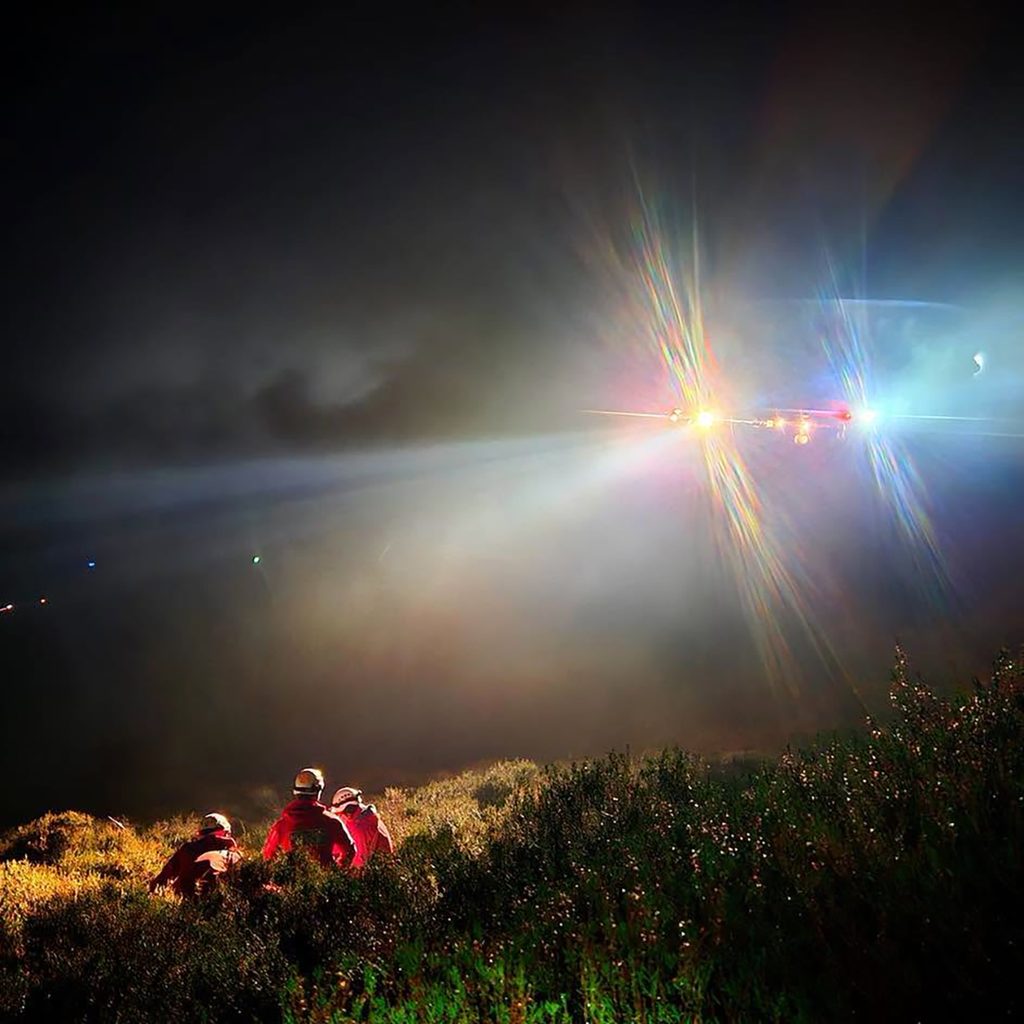
A typical example starts with what appears to be a relatively straightforward problem. A walker twists an ankle on a remote hillside. The injury itself may not be life-threatening, but it stops them moving. The daylight begins to fade. The wind strengthens. Temperatures fall. What began as a simple injury suddenly becomes a cold-weather emergency.
When you’re moving, your body generates heat. Once you stop, that source of warmth disappears. Add rain, wind or low temperatures and the risk of hypothermia increases rapidly. Mountain rescue teams are regularly called to incidents where the original problem is no longer the greatest threat. Instead, it is prolonged exposure to the elements that puts people at risk.
Prevention starts before you leave home
The good news is that many of these situations are preventable. Preparation starts before you leave home. Check the weather forecast and be prepared for conditions to change. Plan your route carefully, allow enough time to complete it in daylight and tell someone where you’re going and when you expect to return.
At this time of year, it is particularly important to remember that darkness arrives much earlier than many people realise. Routes that feel straightforward in summer can become significantly more challenging when daylight is limited.
Packing the right equipment is equally important. Carry clothing suitable for the worst conditions you might encounter, not simply the weather at the start of your walk. So that’s an extra layer or two, waterproofs, gloves and a hat. Also, take extra food and water, a fully charged mobile phone and a power bank.
Don’t rely on your phone torch
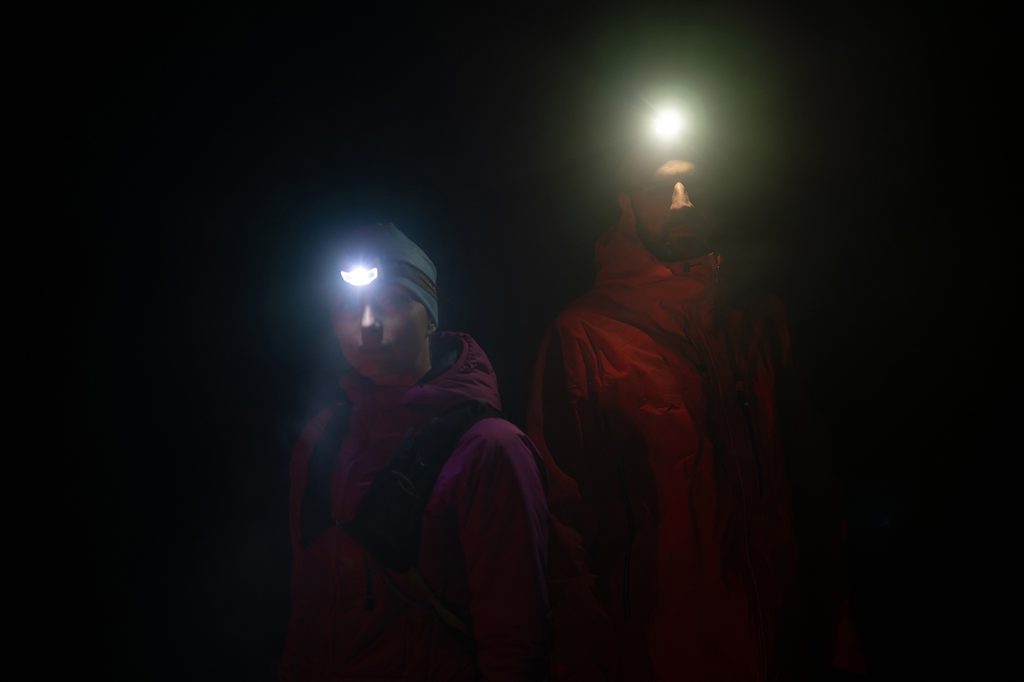
One of the most overlooked pieces of kit is a head torch. Many people rely on the torch function on their phone, but there is no comparison. A headtorch provides a stronger, more reliable light source, keeps your hands free for navigation and movement, and preserves precious phone battery life should you need to call for help. As the evenings draw in, it should be considered an essential part of any outdoor kit list.
The one piece of kit every walker should carry
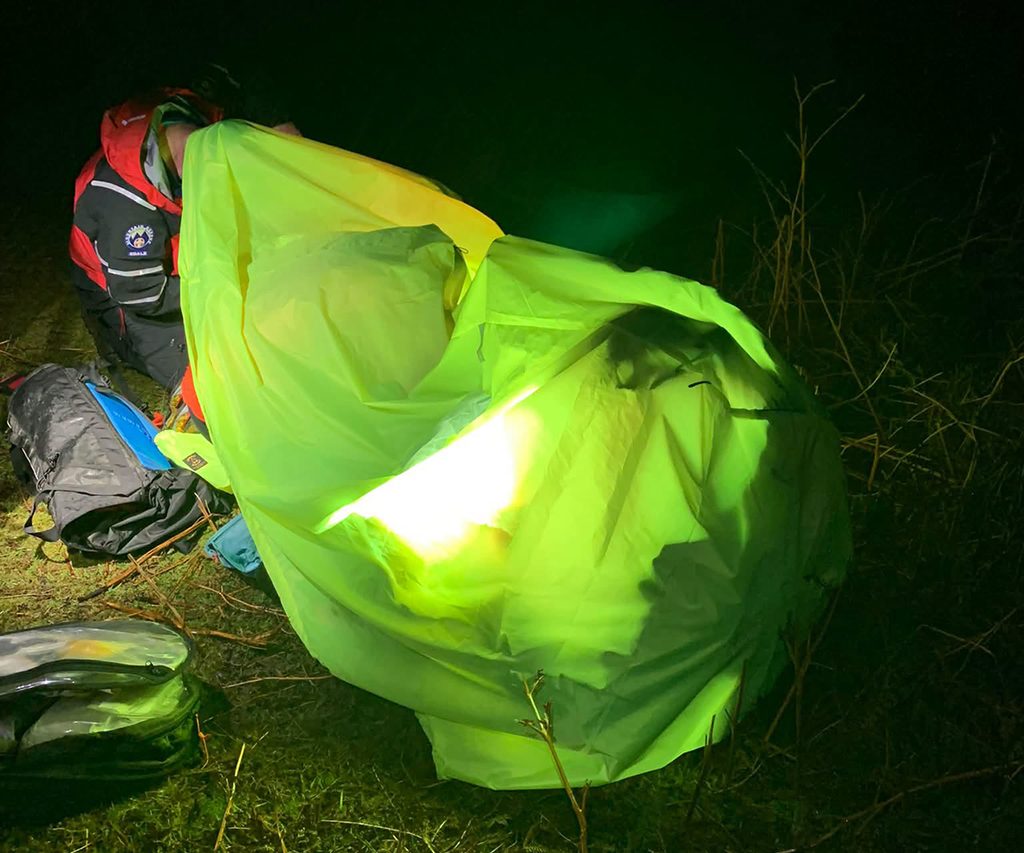
If there is one item mountain rescue volunteers would encourage more people to carry, however, it is an emergency shelter. Whether it’s a lightweight two-person shelter, a bivvy bag or even an emergency survival blanket, these simple pieces of equipment can make a dramatic difference if plans change unexpectedly. They provide protection from wind and rain, help retain body heat and can significantly improve comfort and safety while waiting for assistance or while a group deals with a problem. They are inexpensive and easy to carry, yet they have the potential to turn a serious situation into a manageable one. If you buy one additional piece of winter safety equipment this year, make it an emergency shelter.
As winter conditions arrive, walkers should also consider carrying micro-spikes when icy terrain is a possibility, alongside walking poles for additional balance and stability. Small additions to your kit can help prevent the slips and falls that so often trigger rescue call-outs.
Until 8 November, 10% of every sale of selected safety equipment purchased online and in Alpkit stores will be donated to support mountain rescue volunteers across England and Wales. Online shoppers can use the code SAFER10.
Supporting Mountain Rescue Awareness Day
To help people enjoy the outdoors more safely this winter, Mountain Rescue England and Wales has partnered with Alpkit for Mountain Rescue Awareness Day, from Sunday 25 October until the following week. The campaign aims to encourage people to carry a few simple but potentially lifesaving pieces of kit, while also helping to fund the volunteer rescuers who respond when things go wrong. Until 8 November, 10% of every sale of selected safety equipment purchased online and in Alpkit stores will be donated to support mountain rescue volunteers across England and Wales. Online shoppers can use the code SAFER10.
We cannot control the weather, and we cannot prevent every accident. What we can do is be ready for the unexpected. So, be prepared, be equipped, and enjoy everything that winter has to offer safely.
Essential packing list
- Waterproof jacket and trousers
- Warm insulating layer (fleece or synthetic jacket)
- Hat and gloves
- Emergency shelter, bivvy bag or lightweight emergency blanket
- Fully charged mobile phone and power bank
- Map and compass (and know how to use them)
- Headtorch with spare batteries
- Extra food and water
- First aid kit
- Whistle
- Micro-spikes (when icy conditions are possible)
- Walking poles for balance and stability.