Summer in the mountains: Prepare well, enjoy more
Summer is when many of us make the most of the outdoors. Longer days, better weather and school holidays encourage more people to head for the mountains, moorlands and coast to explore, exercise and spend time with family and friends.
by Jonathan Caswell
For mountain rescue teams across England and Wales, however, summer is also our busiest season.
Last year, Mountain Rescue England and Wales teams were called out 3,968 times, resulting in 3,175 deployments. Volunteers gave 158,543 hours of their time, which is the equivalent of more than 6,600 days spent responding to incidents, training and maintaining equipment. Those figures form part of a wider trend that has seen volunteer search and rescue organisations experience increasing demand in recent years.
More people outdoors means more incidents
The reasons behind many summer call-outs are often remarkably similar. Poor decision-making, lack of experience, unexpected weather and people becoming tired, fatigued or overwhelmed by the demands of their chosen activity continue to feature regularly across rescue incidents.
Importantly, those requiring assistance are not just experienced mountaineers and climbers pushing the limits of their sport. More often, they are ordinary people enjoying a day outdoors, walking with family, exploring a new area, running, cycling or taking the dog for a walk.
When good weather becomes a risk
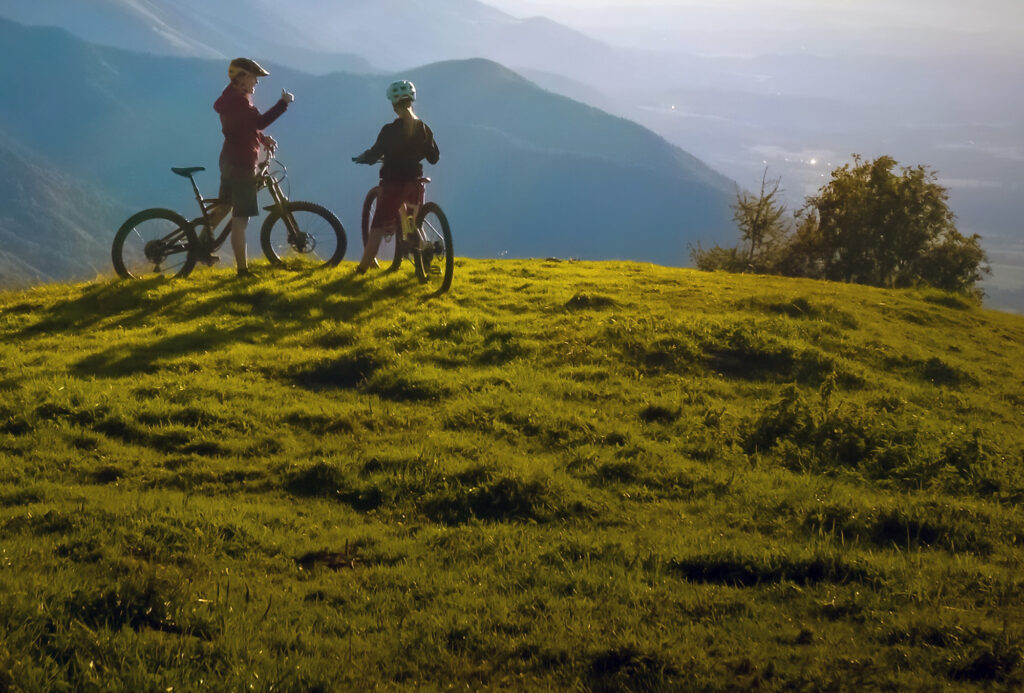
One of the greatest risks during summer is that good weather can encourage people to underestimate the environment. A route that looks straightforward on social media or from the valley floor can become far more challenging once the temperature rises, the terrain steepens and fatigue begins to take hold.
Every year, teams respond to people suffering from dehydration, exhaustion and other heat-related illnesses. What starts as an enjoyable day out can quickly become serious if someone becomes unwell due to the heat. Understanding the warning signs, carrying enough water and recognising when to stop can make all the difference.

Preparation is your best safety tool
Preparation is therefore one of the most important pieces of equipment you can take with you.
Before setting out, check the weather forecast, research your route and make sure it matches the ability and fitness of everyone in your group. Carry sufficient water, food, sun protection and clothing suitable for changing conditions. Even on the hottest days, weather in upland areas can change quickly.
Navigation also remains a common factor in incidents. Phones are an excellent aid, but batteries fail, signals disappear and devices can be damaged. Knowing your route, downloading maps in advance and carrying a backup navigation method can prevent a simple wrong turn from becoming a lengthy search.

Know your limits
Perhaps most importantly, be honest about your limits. Turning back, changing plans or choosing a shorter route is never a failure. Good judgement is one of the best safety skills any outdoor enthusiast can develop.
Mountain rescue volunteers are on call 24 hours a day, 365 days a year, ready to help people when things go wrong. But our message this summer is simple: prepare well, respect the conditions, carry what you need and know your limits.
A little planning before you leave home could make the difference between a memorable day in the mountains and an avoidable call for help.
[…] And if you missed Part 1 of our focus on how to stay safe in the hot weather, you’ll find it h… […]
[…] Mountain Rescue notes that weather in upland areas can change quickly and advises carrying clothing suitable for changing conditions. […]