When the heat is on: Staying safe in the mountains this summer
August is holiday season. Schools are out, many workplaces slow down, and thousands of people head for the countryside to make the most of the summer.
by Jonathan Caswell
This year, many will be doing so as forecasters warn that the UK could be heading into its fourth heatwave of 2026, following a summer already marked by unusually high temperatures, heat-health alerts and prolonged dry conditions. Emergency services routinely see an increase in heat-related incidents during periods of extreme weather, including dehydration, heat exhaustion and heat stroke.
Whether it’s a family walk, a day in the hills, a trail run or a visit to a favourite beauty spot, it’s easy to look at a sunny forecast and assume the risks are low.
After all, there are no winter storms to contend with. The weather looks good, the views are spectacular and the route seems straightforward.
What could possibly go wrong? Quite a lot, as it happens.
The heat is a hazard too
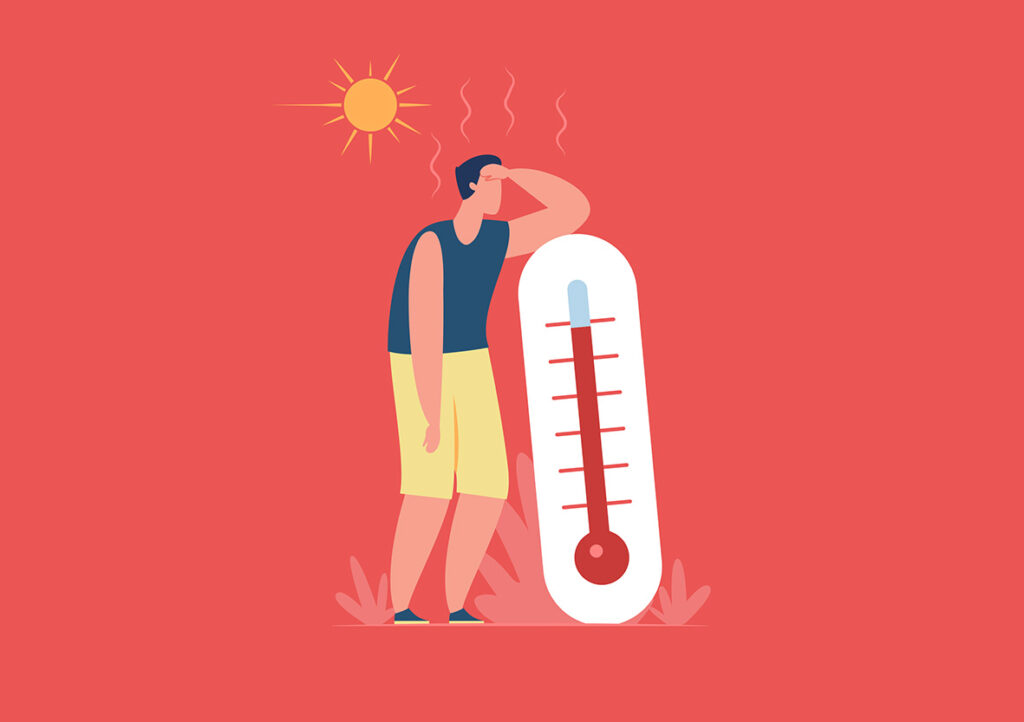
When most people think about mountain rescue incidents, they imagine bad weather. Yet hot weather can be every bit as challenging as rain, wind or cold.
During periods of prolonged sunshine and high temperatures, the body has to work harder to stay cool. As we sweat, we lose water and essential salts. If these aren’t replaced, performance deteriorates, decision-making becomes impaired and the risk of heat-related illness increases.
What begins as a pleasant day out can quickly become uncomfortable, and then potentially dangerous.
The reality is that dehydration, fatigue and heat-related illness can affect anyone, regardless of age, experience or fitness level. Fit and experienced outdoor enthusiasts are not immune.
Understanding heat exhaustion and heat stroke
One of the most significant risks during hot weather is hyperthermia, a condition that occurs when the body’s temperature rises above a safe level and it can no longer cool itself effectively.
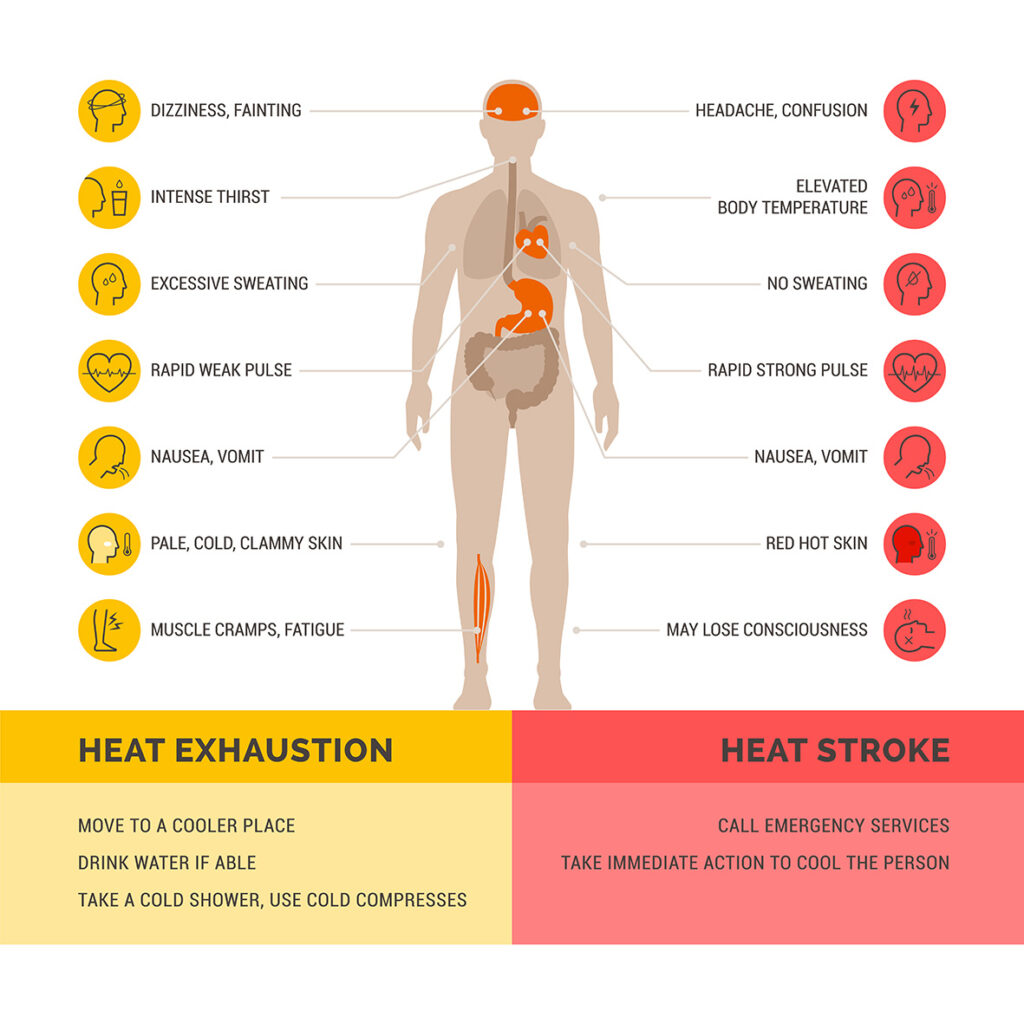
The most common form is heat exhaustion. Early symptoms can include:
- Dizziness or feeling faint
- Headaches
- Excessive sweating
- Muscle cramps
- Nausea
- Unusual tiredness or weakness
- Difficulty concentrating.
If recognised early, heat exhaustion can usually be treated by resting in a cool place, providing shade, cooling with water or immersion, drinking fluids, and allowing the body time to recover. The casualty should not resume exercise and urgent evacuation should be considered.
However, if the condition worsens, it can progress to heat stroke, a serious medical emergency requiring immediate medical assistance. Heat stroke can occur even at relatively mild ambient temperatures (around 21°C) if exertion levels are sufficiently high, particularly when heavy clothing is worn. Warning signs may include:
- Confusion or unusual behaviour
- Sweating may be present or absent
- Loss of coordination
- Collapse
- Loss of consciousness
- Rapid, shallow breathing
- A very high body temperature.

Treatment of heat stroke: Stop all exertion immediately, move the casualty into shade if possible, and begin urgent cooling measures. Monitor breathing and responsiveness and call 999 immediately if heat stroke is suspected.
Small decisions can have big consequences
Many incidents start with a series of seemingly minor decisions. It might be setting off with too little water or choosing a longer route than planned, maybe starting a walk during the hottest part of the day, ignoring the first signs of tiredness or continuing when someone in the group is struggling.
Each decision, taken in isolation, may seem insignificant. Combined with several hours in hot conditions, they can create a situation that becomes difficult to manage.
One of the challenges of heat-related illness is that it can affect judgement. As people become increasingly dehydrated or fatigued, they may fail to recognise the seriousness of their situation or make poorer decisions than they otherwise would.
Plan ahead, pace yourself
Fortunately, most heat-related incidents are preventable. Before heading out:
- Check the weather forecast
- Carry more water than you think you’ll need
- Wear appropriate clothing and sun protection
- Consider a shorter or less demanding route
- Take regular breaks
- Be prepared to slow down or change your plans if conditions become more challenging than expected
- Be aware of others in your group.
Most importantly, listen to your body. There is no shame in turning back, altering a route or saving an objective for another day.
A landscape under pressure
Heat doesn’t just affect people.
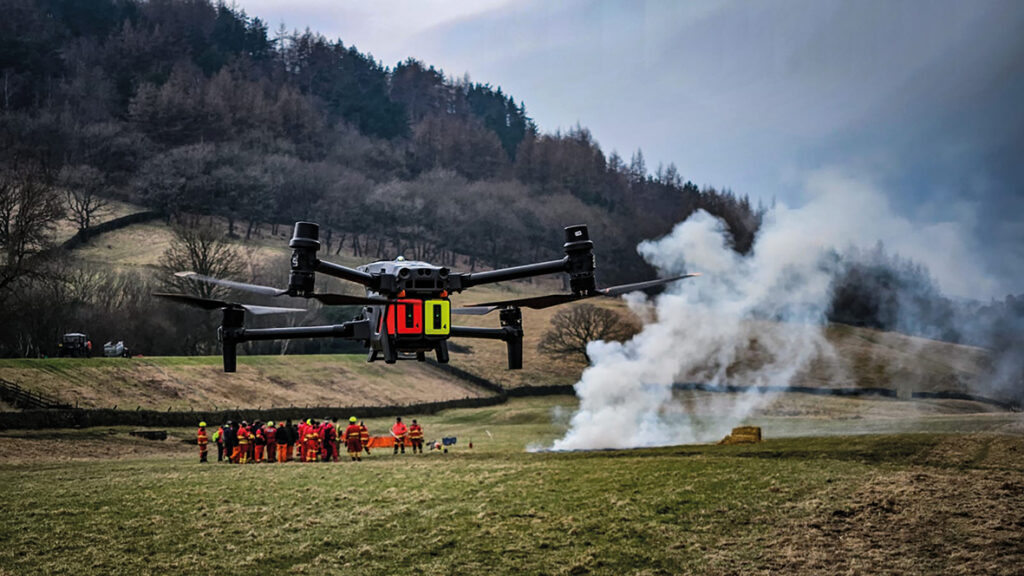
After weeks of exceptionally dry weather, many parts of the countryside are under increasing pressure. Recent weeks have seen fires reported across the UK as well as mainland Europe, highlighting that wildfires are no longer a problem confined to Mediterranean countries. Fire and rescue services have repeatedly warned about the risks posed by dry vegetation and parched ground during periods of prolonged heat.
Grassland, heathland, woodland and moorland can ignite more easily than many people realise, and fires can spread rapidly, threatening people, wildlife, property and fragile habitats.
Visitors can help reduce the risk by avoiding open flames, never discarding cigarettes, taking litter home and following any local restrictions or guidance in place.
Mountain rescue volunteers are on call 24 hours a day, 365 days a year. This summer, take a few extra minutes to prepare before you set off. It could make the difference between a great day out and a preventable emergency.
And if you missed Part 1 of our focus on how to stay safe in the hot weather, you’ll find it here.